January's Big Idea is: Problem-Solving
Preschoolers are naturally curious and ready to explore the world around them. This provides chances to solve problems on their own. By learning to navigate life’s challenges with creativity, children will be poised for success throughout their lives.
What does Problem-Solving Look Like in Preschoolers
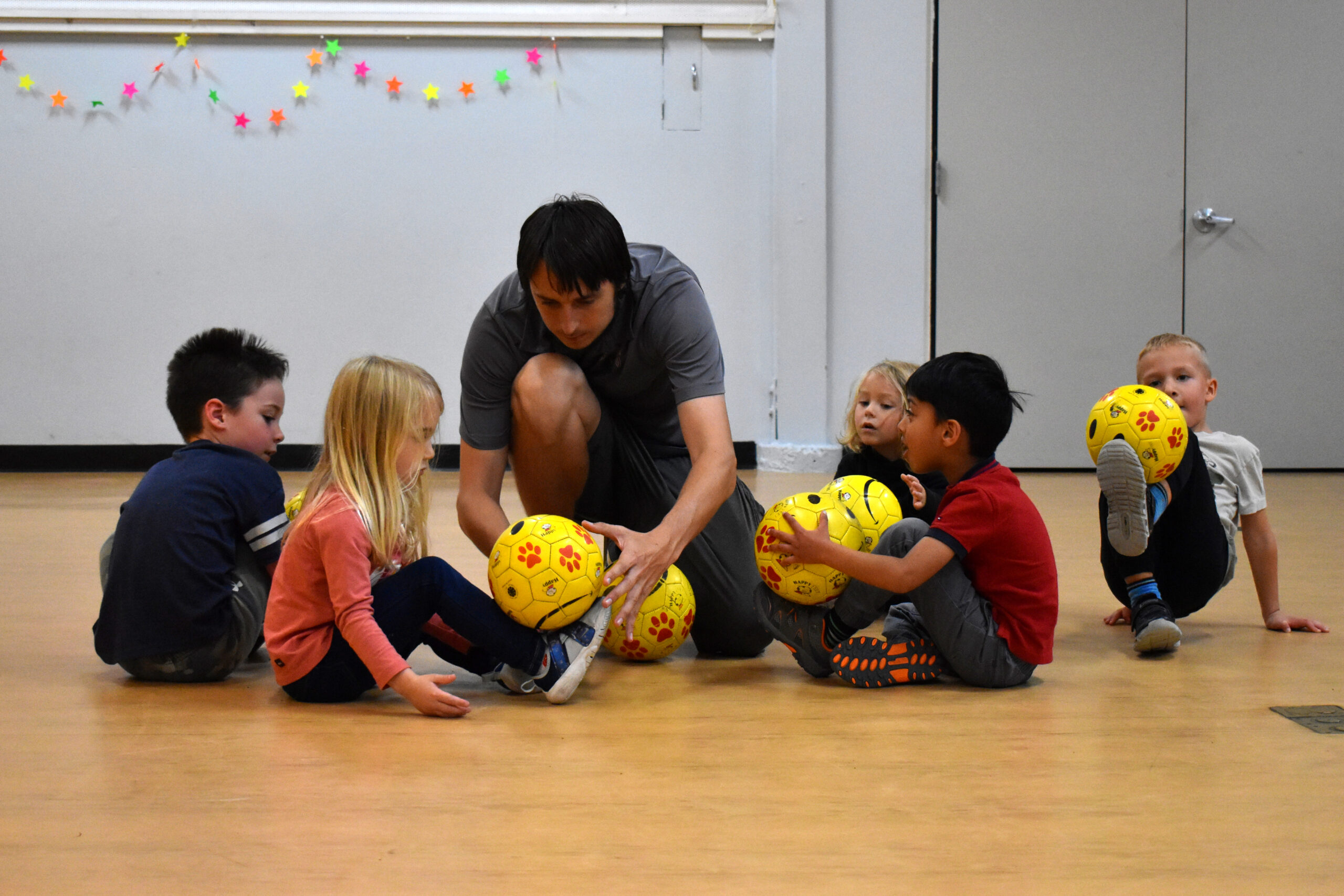
The National Association for the Education of Young Children (NAEYC) emphasizes that children learn best when they are active participants in their learning. Play can provide chances for preschoolers to problem-solve through experimentation. This can look like:
- Trying different strategies
- Learning from trial and error
- Adjusting behavior when something doesn’t work
- Asking for help or offering help to others
Why its Important
Problem-solving is a skill that extends beyond the soccer field. By developing these skills, children learn to think independently and creatively, build resilience, and increase confidence.
Encourages Teamwork and Social Skills: Working together on problems introduces important skills like communication, compassion, and cooperation. According to Washington State Early Learning and Development Guidelines, engaging in cooperative play creates opportunities to support each other, learn from each other, and develop important social skills.
Strengthens Brain Development: Research from Harvard University’s Center on the Developing Child highlights that working through challenges helps strengthen executive function skills, including planning, focus, and self-control.
Supports Emotional Regulation: Approaching a new problem can bring out intense emotions. When children are given the chance to pause and reflect while experiencing intense emotions, they are learning to manage their emotions in a healthy way.
Builds Confidence: Successfully working through a problem can build confidence and self worth that will benefit children as they continue to grow. It is important for preschoolers to feel like they are capable of handling challenges when they arise.
How to Help Our Preschoolers
- Creating opportunities for children to Think Independently through open-ended games and questions.
- Encouraging Creativity by providing skills and freedom to explore different approaches to solving problems.
- Allowing for quick Decision-Making and encourage learning through Trial and Error.
- Providing a safe, supportive environment to build Confidence in trying new and hard things.
At HappyFeet, we believe that every class is an opportunity for children to grow into Brave Creative Leaders. By learning to problem solve, our HappyFeeters will feel confident that they can work through things in creative ways. This skill is is one that will benefit the students for the rest of their lives.
References:
- National Association for the Education of Young Children (NAEYC)
Developmentally Appropriate Practice in Early Childhood Programs - Harvard University – Center on the Developing Child
Executive Function & Self-Regulation Skills - Washington State Early Learning and Development Guidelines
Social-Emotional and Cognitive Development Standards


